The History And Inheritance Of Tianzhu


Inirteen years ago, my first independent journey to the himalayan region took me to libet, India, and Nepal. It seems that from the very beginning a special bond with the azi bead was destined.
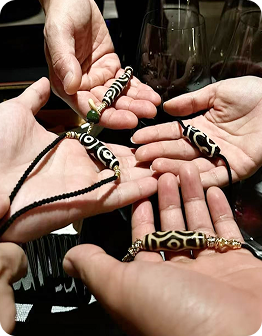
That journey also marked the beginning of my pursuit of the dzi bead. Along the way, I met companions and Tibetan friends who would later play a significant role in my life. Through their words, I gradually came to understand the dzi bead and developed a profound fascination with it.In Tibetan folklore, the most prevalent explanation of the dzi bead's origin is that it is a "stone fallen from the heavens."
In oral tales, the dzi bead is sometimes said to have been carried by a divine bird and dropped onto the snowy plateau to grant protection to humankind; in other tales, it is portrayed as a fruit fallen from a celestial tree, bestowing blessings upon those who found it. While these legendary stories cannot be verified in academic terms, they reveal a profound cultural perception: the dzi bead does not belong to the domain of worldly craft, but functions as a medium linking heaven and earth, the human and the divine.
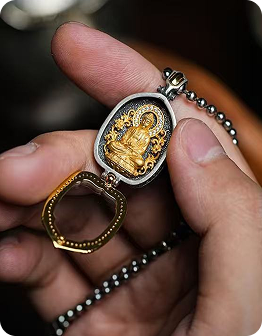
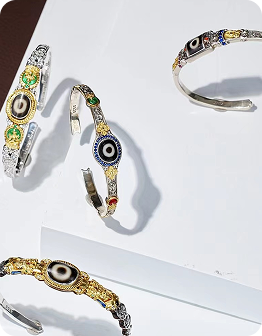
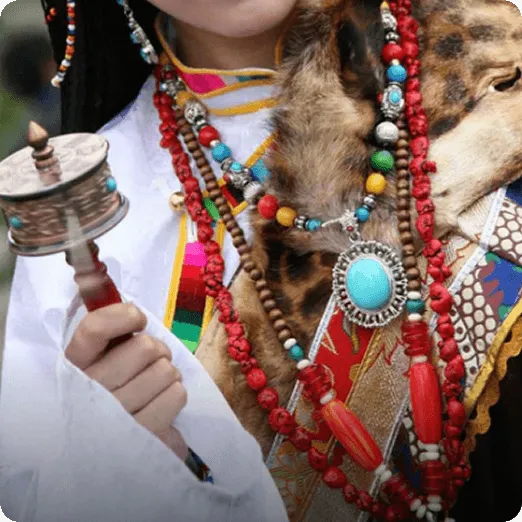
With a long history and intricate craftsmanship, these beads are often adorned with materials like agate, turquoise, coral, amber, gold, and silver.The dzi bead emerges not only as a precious ornament but also as a symbol of ritual devotion and royal legitimacy.
Tibetan sources, such as the Blue Annals and various monastic chronicles, frequently associate the dzi bead with Buddha images, offerings, and royal treasuries. In Bhutan, the dzi is regarded as a national treasure, frequently appearing in royal weddings and state ceremonies as a symbol of auspiciousness and blessing.
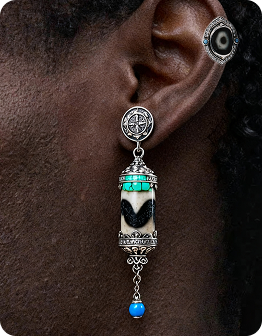
Within lay society, the dzi bead took on more protective and auspicious functions. Tibetans believed that wearing a dzi could ward off evil, avert misfortune, and promote longevity. In marriage, dzi beads are presented as precious dowries; in times of illness or misfortune, they are consecrated by lamas to dispel inauspicious forces.
The attitudes of ancient Tibetan collectors reflected both aesthetic discernment and profound reverence: they pursued "the beauty of the object, the refinement of the craft, and the depth of its meaning." This ethos continues to shape the practices and values of modern dzbead collectors today

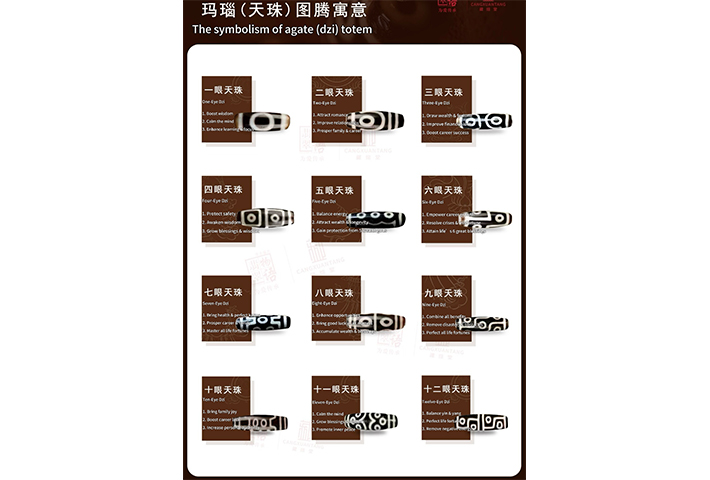
The Belief Blessing Of Different Totems Of Tianzhu
Application Scenarios
The history of collecting dzi beads can be traced back to ancient Tibetan society. For royal families and monastic elites, dzi beads werregarded as treasures ofthe highest order, ued not only for adornment and offering but also as heirlooms passed down through generationsT'heir value lay not merely in the rarity of the material, but in the lineage, blessings, and siritual power they were believed to embody.
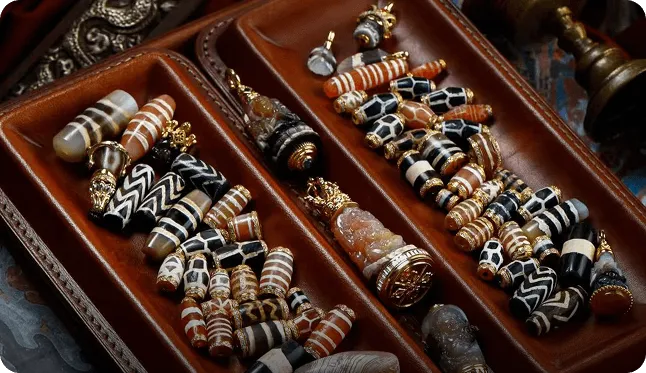
Collect

Family Heritage
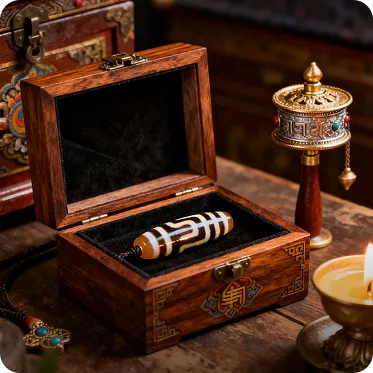
Gift
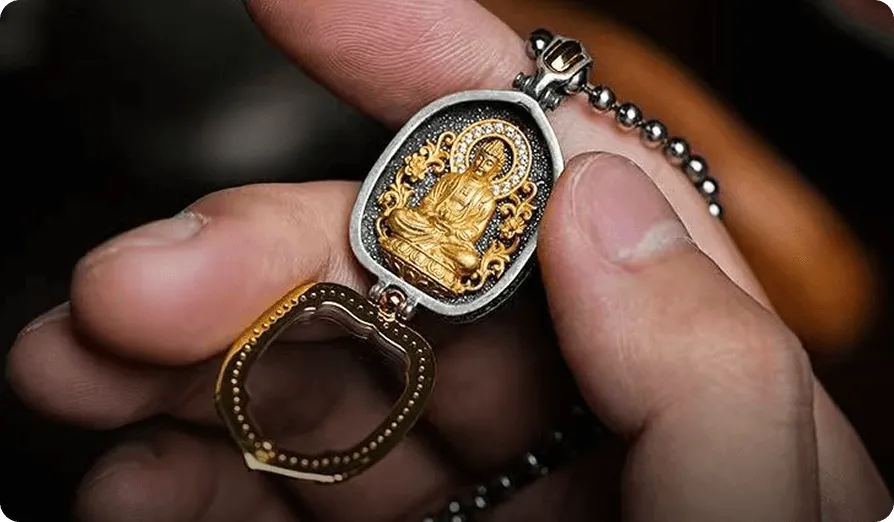
Protect Oneself
Daily Wear